Most commercial roofs in South Florida don’t fail all at once. They wear down slowly, one missed inspection and one ignored drain at a time, until a minor issue turns into a ceiling stain or a shut-down day. This guide breaks down what a solid maintenance program looks like, how to time it around hurricane season, and which tasks your team should never skip. By the end, you’ll have a framework you can actually use.

A commercial roof maintenance program trades reactive repairs for a steady, predictable routine. Instead of responding to leaks, you’re catching problems when they’re still small, affordable, and easier to fix. Think of your commercial roof preventative maintenance checklist as the backbone of that routine, a structured tool that keeps every task visible and nothing slipping through the cracks.
That approach matters in South Florida. Flat and low-slope roofs are common on commercial buildings here, where they take a beating from intense UV rays, salt air, and heavy seasonal downpours. Each one gradually wears on membranes, seals, and flashing.
A good program also drives smarter commercial roof asset management. When you track a roof’s age, repair history, and current condition, you stop guessing and start planning. Budget cycles become less stressful, and major replacements are less likely to catch you off guard.
The key to a strong preventative roof maintenance schedule here isn’t just picking a month. It’s working around hurricane season and South Florida’s heavy rainfall. The Atlantic hurricane season runs from June 1 through November 30, so timing inspections and repairs around that period matters.
Following that rhythm helps you catch developing problems before they turn into unexpected repairs.
A schedule sitting in a folder doesn’t protect anything. A roof maintenance plan that your commercial building team actually uses needs clear ownership. Assign one point person for roof issues. Set a yearly repair budget. Keep every inspection report, photo, and invoice in one organized folder everyone can access.
Many South Florida property owners use maintenance contracts with a licensed roofing contractor. Depending on the agreement, a contract can set inspection dates, outline post-storm response procedures, and provide a crew familiar with your building’s history. That continuity can matter when something goes wrong mid-season.
Every building has its quirks, but these tasks belong on most well-run flat roofs’ to-do lists. Use them to build out your commercial roof preventative maintenance checklist, then add your inspection checklist items based on what your property needs most.
Blocked drains can turn South Florida’s heavy summer rain into standing water fast. Check drainage points regularly and clear debris before storm season and after significant weather events. The right maintenance frequency depends on nearby trees, roof conditions, and how quickly debris accumulates. Keeping drains and scuppers clear helps prevent water from backing up across the roof.
Water that remains on a roof more than 48 hours after rainfall, under conditions that allow drying, may indicate a drainage problem. Map recurring low spots, monitor them over time, and have a roofing professional evaluate persistent ponding. Addressing drainage issues early can help prevent additional stress on the roofing system.
TPO, PVC, and modified bitumen roofs depend on properly sealed seams and laps to keep water out. Look for lifting, separation, blisters, punctures, or surface damage. Small defects can allow moisture into the roofing assembly, so have them evaluated before they spread. The repair method depends on the roofing material and its manufacturer’s specifications.
Every pipe, vent, skylight, and HVAC curb creates a transition where water can enter. Flashing protects these areas, but it can loosen, crack, separate, or corrode over time. Check these details regularly and address visible deterioration before it leads to leaks. A professional inspection can help identify problems that aren’t obvious during a routine walk-through.
HVAC service visits and other rooftop work can leave behind punctures, scuffs, or dropped debris. Coordinate with service contractors to protect the membrane, and check affected areas after they finish. Walk pads may help protect high-traffic areas around equipment when they’re compatible with the roofing system. These details follow best roofing practices and help reduce avoidable surface damage.
Dated photos and written records create your roof’s maintenance history. They can support warranty discussions, help document the property’s condition for insurance reviews, and show future buyers how the roof has been maintained. Keep inspection reports, repair invoices, and notes organized, even when a visit reveals no problems. Consistent documentation makes it easier to track changes and plan future work.
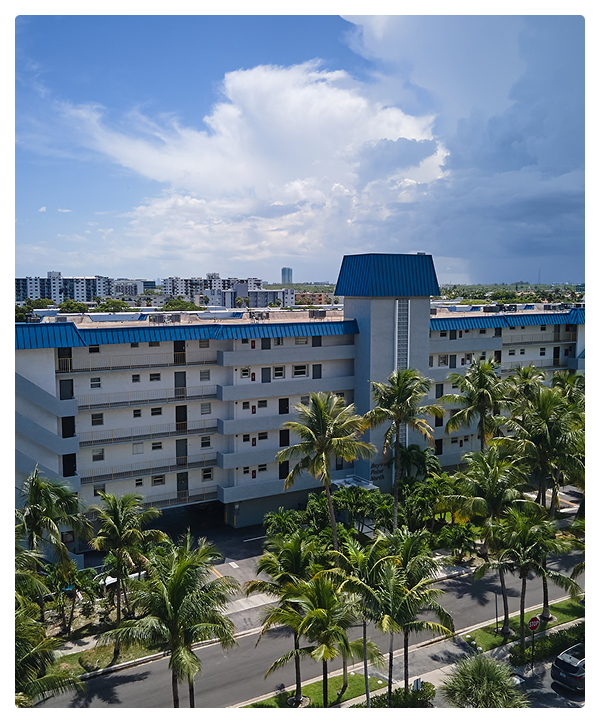
At Affordable Roofing Contractors, we’ve built and maintained South Florida roofs for more than 40 years. Our family-owned team puts together maintenance plans tailored to your building’s size, age, material, and exposure. We explain what we find, walk you through your options, and handle repairs with the same care we’d bring to a full replacement.
When maintenance has bought all the time it can and a new system is the right move, we’re ready for that conversation, too. Property owners count on us for commercial roof replacement in Fort Lauderdale and coastal communities like Eastern Shores. We select roofing materials with the appropriate product approvals and wind-resistance ratings for each project.
Twice a year is a useful starting point for most buildings: once in spring before hurricane season and once in fall after it ends. Older roofs, properties with recurring drainage problems, or buildings with heavy rooftop equipment may need more frequent inspections. Schedule an additional assessment after significant storms.
Drain clearing, ponding checks, seam and membrane inspections, flashing reviews, rooftop equipment checks, and dated photo documentation. The exact tasks and frequency depend on your roofing system, building conditions, and manufacturer recommendations.
They can. Scheduled inspections and timely repairs help identify problems before they worsen. A maintenance contract also makes it easier to plan service visits and track expenses, although actual savings depend on your roof’s condition and the agreement.
Regular maintenance can help a commercial roof reach its expected service life by addressing minor damage, drainage issues, and deteriorating components. It can’t prevent normal aging, but it can reduce avoidable damage and premature repairs.
Consider replacement when leaks become frequent, membrane damage is widespread, insulation has significant moisture intrusion, or the system is nearing the end of its expected service life. A professional assessment can help determine whether repairs remain practical or a new roofing system is the better long-term option.
